Birthday party seating chart: tips for family celebrations
Updated:
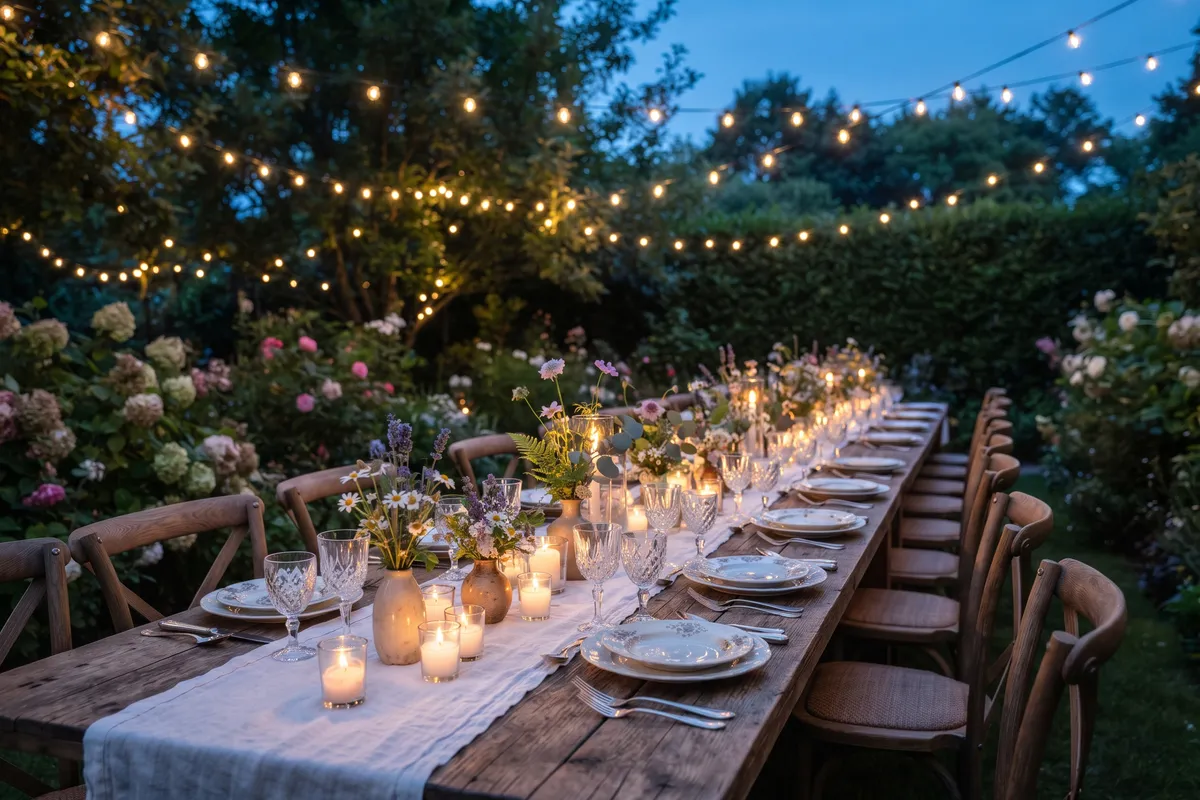
Seat the guest of honor in the middle of one long side of the table, or at a table with a view of the room, with their closest family right next to them and circles of friends grouped together with one or two connecting people per table. Up to about 30 guests, a single long table or a U-shape feels especially sociable; beyond that, several banquet tables or rounds are more comfortable. That way nobody has to hunt for a seat, and even guests who barely know each other get talking.
In short
- Guest of honor in the center, facing as many guests as possible.
- Their partner, children and parents close by.
- Keep circles of friends together, but mix in a connector or two.
- Older guests get short walks and some distance from the music.
- Anyone giving a toast sits where they can get up easily.
Do I even need a seating chart?
Not always. For a casual party with a buffet and guests who know each other, open seating often works. As a rule of thumb, a plan pays off once more than about 20 guests from different circles are coming, there’s a plated dinner, or some guests need a particular spot, such as a wheelchair user or a parent with a toddler.
A middle ground: assign tables, not individual seats. In the planner that’s Tables only; everyone knows their table and sits anywhere at it. Or reserve just the family table and a table for older guests and leave the rest open.
Who sits where?
- Guest of honor in the middle: At a long table, the birthday person or the anniversary couple is best seated in the middle of one long side. At the end of the table you only reach your nearest neighbors.
- Mix generations, but don’t scatter them: Grandparents love having grandchildren nearby. Complete strangers across several generations rarely click.
- Circles of friends as a group: Coworkers, a club or school friends like to sit together. One or two people who connect the groups help everyone get to know each other.
- Older guests: Seats with a short way to the restrooms and the exit, not right next to the music, and with a good view of the toasts.
- Kids: Once there are a few, a kids’ table within sight of the parents makes sense. Tips in the guide to the kids’ table.
By occasion
| Occasion | Typical guests | Seating tip |
|---|---|---|
| Milestone birthday (40th, 50th, 60th …) | family, friends, coworkers, clubs | each circle as a group, guest of honor in the center |
| Sweet 16 or 21st | mostly friends | few fixed tables, lots of room to mingle |
| 25th or 50th anniversary | children, grandchildren, siblings, old friends | couple in the center, family close, longtime friends together |
| Christening or first communion | family, godparents, kids | godparents near the family, kids’ table in sight |
| Family reunion | several branches of the family | mix branches on purpose so people get to know each other |
Anniversaries have their own guide on the 25th or 50th anniversary party seating chart, and religious celebrations one on christening and first communion seating.
Banquet table or round tables?
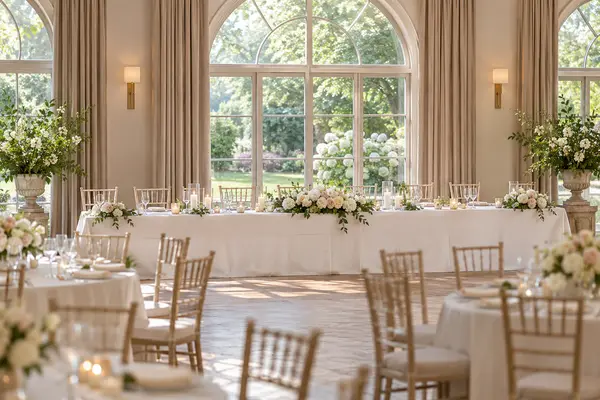
Up to about 30 guests, a long table or a U-shape feels especially sociable. Allow about 2 feet of table per person: 30 guests at one table need 15 seats per side, so about 30 feet. Beyond that, the distances get long and you can barely see from one end to the other. Then several banquet tables or round tables are more comfortable. In a backyard or a tent, rectangular tables are often easier to set up, since rental and folding tables usually come in 6- and 8-foot lengths.
The table calculator shows how much space you need overall, and you can include a table for the guest of honor. The help article on round tables or banquet tables explains the differences.
Plan for the program
- Toasts and games: Seat anyone giving a toast where they can get up quickly and everyone can see them.
- Buffet: A buffet gets people moving. Leave enough room in front of it so the line doesn’t snake between the tables.
- Gifts and guest book: A small table by the entrance saves chaos at the dinner table.
- Photos or a slideshow: If there’s a screen, the guest of honor should see it without turning around.
In the planner
Start with a template like Long banquet tables, Garden party or Small celebration and adjust the room and tables. Add your guests with groups, such as “Family”, “Book club” or “Coworkers”, and seat a whole group at a table in one click. Under Seating wishes and suggestion you record who should sit together and who had better not; Suggest a seating plan turns that into a first draft.
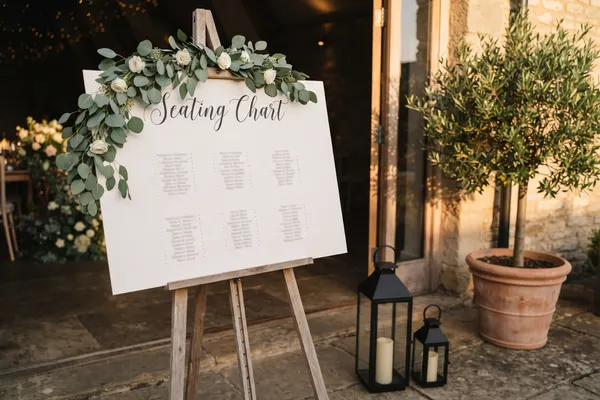
For family parties, the free version is often enough: up to 300 guests, floor plan and guest list by table as PDFs. If you’d like a designed “Find your seat” chart, place cards or a welcome sign, use the Event Pass. For a very small group there are also printable templates to fill in by hand.
FAQ
Where should the birthday person sit?
In the middle of one long side of the table, or at a table where they can see the whole room. Their partner and closest family sit right beside them.
How many guests fit at a long table?
As many as its length allows, at about 2 feet per person. Beyond roughly 30 guests at one table it gets impractical; two tables or a U-shape work better.
Assigned seating or open seating at a birthday party?
With a buffet and guests who know each other, open seating works well. If lots of different circles come together or there’s a plated dinner, a plan helps, even if it only assigns tables.